
The Chef Analogy (and why it's broken)
Many analogies have been typed out in an attempt for each side of the AI debate to illustrate what each person thinks is going on. The choice and construction of the analogy and the level of detail that it goes into all reveal what their authors really think about the subject matter.
A popular one regarding using AI software to generate images, videos or music pieces is the Chef Analogy.
There have been a few versions posted, and the most recent ones have devolved into this:
A person ordering takeaway or microwaving food — presumably that someone else made such as a frozen meal from the supermarket — and calling themselves a chef.
Let’s go into what’s wrong with this analogy.


AI software may offer inspirational themes for you to try, but the images/videos/music don’t already exist in a predetermined form the way a prepared meal does. At the very least you'd have to say it’s made from “ingredients” i.e. the mysterious mathematics in the models and your work is prepared on demand using your instructions.
The next problem with the analogy is using example foods that are generally regarded as tasting worse than freshly cooked meals. Takeaway is seen as being prepared hastily and without care, and microwaves generally alter the taste of foods to their detriment, so using these as descriptions evokes a visceral response in the reader. The detractor is aiming for the disgust response, which numerous studies suggest can be unconsciously persuasive.

Then we have the nature of the ingredients. The fancier the kitchen is, the more likely they are to create their ingredients from scratch, as was highlighted in the film The Menu (2022). The analogy is further broken, because AI doesn’t can't be said to take ingredients, combine and use methods to modify them the way that applying a series of filters to an image or audio file does. Photoshop Actions and effects chains in audio recording software (DAWs) are useful to compare with cooking; applying a series of steps to an ingredient to transform it. Say a person has an existing image such as a photo — an “ingredient”. If they apply a Photoshop Action to transform an image, they can say about the resulting image: “I made this, I am the digital artist or designer”. Similarly if a music producer uses effects chains and presets, they can say “I mixed this, I am the mixing engineer” about the resulting song. In both cases an AI critic remains silent, and grants procedural, algorithmic modification a pass. In both cases you can argue that the people that use Actions and Templates are neither talented nor versatile, but nobody claims they didn't make the thing.
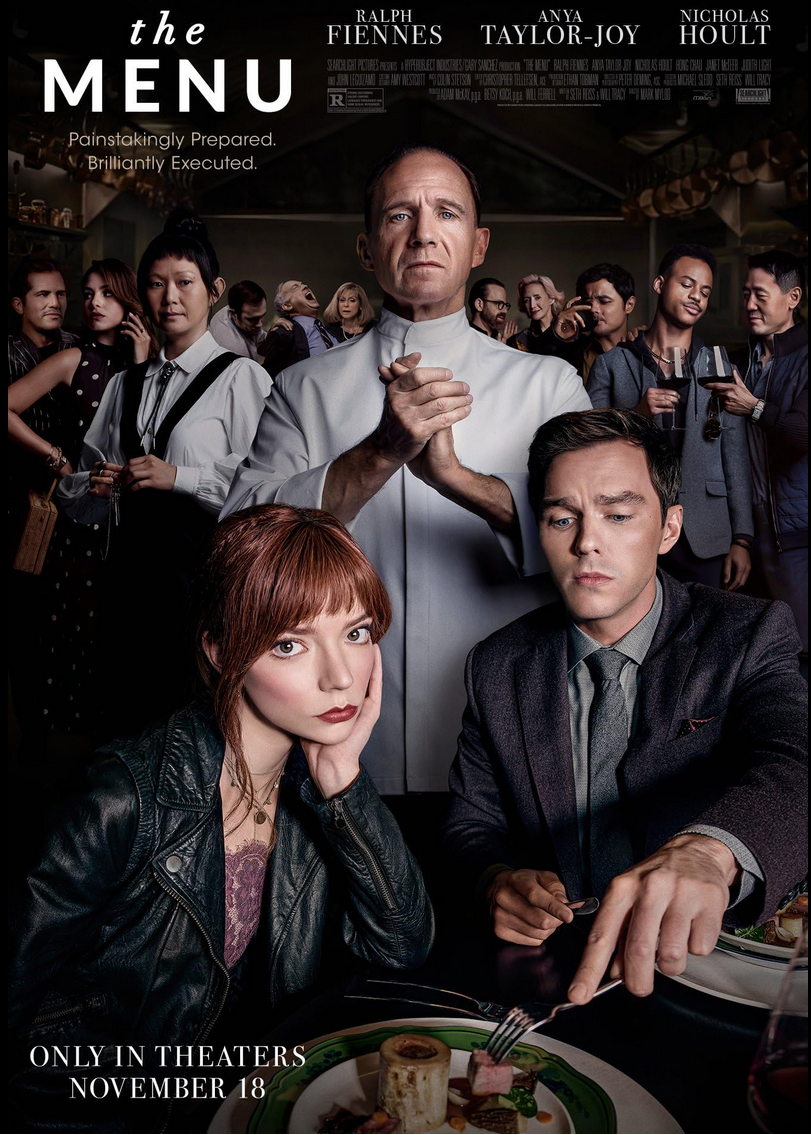
Back to food. A closer analogy would be to: analyze the kitchens around the world. Their layouts, equipment, ingredients, methods and so on. Then analyze the cooks and chefs who work there, their techniques and so on. Then analyze the world’s recipe books. Lastly analyze the reviews of both the restaurants and the recipes. Put all that data together, create a new kitchen with all the most successful aspects of the ones you studied. Then the user of your service can make an order (i.e. type a prompt) and describe in quite a good level of detail what they want and this kitchen can make it for them. Are they The Chef? Not if that’s the name for the person who touches the food to prepare it. So call them the Meal Designer if you like. When I go to a restaurant, I don’t know who invented the recipe, but in some open-view kitchens I can see who physically made the food. I rarely find out who designed each dish.
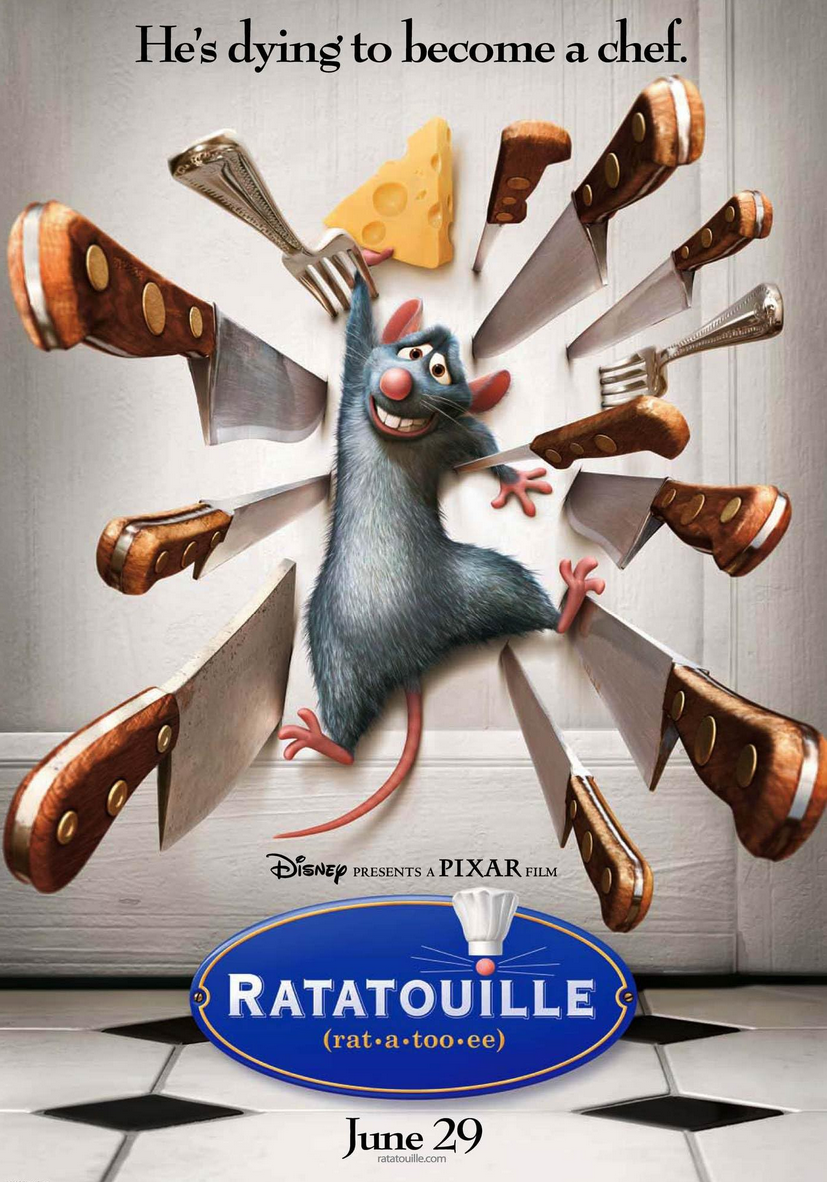
The final part to analyze is one very important to some people: The Job Title. They are very concerned with who is The Chef, who is The Sous Chef, who is The Dessert Chef and who is just The Dishwasher, or possibly a rat hiding in someone’s hat who is controlling all the meal preparation. That’s right, Disney movie Ratatouille (2007) covered this very concern. Remy never physically touched the food — and I don’t even mean meals where you have to use your hands like dough kneading or making California rolls. He didn’t even touch tools that touched the food, he controlled a human automaton that did the physical work for him. Yet he was still recognized as The Chef in the end.
I have no doubt analogies can be useful mental tools to help people communicate ideas, however this popular analogy comes preloaded with bias, and breaks in too many places for it to be useful.
