
Proof of Authenticity
I’ve seen a few mentions on Threads about how we can have some semblance of proof about what was made by people in traditional methods and what was made with AI software. Reading them I thought “I have a blog post about that!” I wrote this on May 2025 but hadn’t gotten around to posting it, for reasons unknown. Possibly because I got distracted by other endeavors perhaps. So here it is.
As it gets harder to tell what videos, images and music are created using AI software, we are going to need better and easier ways to prove who originally made a video, photo, song or image.
One way is by adding security to every point in the chain. End-to-end encryption, but for proving a human made something and when. Let’s consider an example of a digitally painted image.
Within some future version of the Apple Pencil, a chip would offer a certificate to the iPad it’s connected to. The art app installed is already securely installed, but this information would be embedded in the certificate. All the work is added to the document’s history. Then Apple has to have a way for wherever you publish your final file to read this information. Then that information has to be spread around to several trusted parties in case one of the hosting sites goes away.
So when I post my art to some future Flickr or equivalent, the file contains:
Jason used Apple Pencil serial number abc123, bought on 12/4/26 (perhaps from retailer xyz678).
Paired to iPad def456 bought on 11/3/25. Artstudio Pro was the app used, bought and installed on 14/3/25.
The document was opened 9 times on these dates totalling 7 hours. (Video of you creating the file could be included).
File uploaded to Flickr on 14/7/25 from device jkl789.
Flickr already tracks whose account viewed each file, this could be made more secure also with certificates and even video of user’s faces browsing the site if they choose to give permission for that. That information would get too large to be embedded in the file so it would stay with the file host. But the information about who viewed something would still be accessible from other sites, in a shared trust situation.
We use cryptography to keep our chats with each other secure. We are going to have to do something similar to prove what we made and when, and who saw something and when they saw it. We need to make it so computationally costly in time and effort to create a forgery that it isn’t worth it for the malicious parties, the same way we do for security. The cost is more of our privacy. If we choose to have the option to hide this metadata about the things we make, they must at least be accessible by a 3rd party during arbitration.
Further into the future, every device will keep a log of every media piece it displays. A musician will be able to say “Yes, I wrote a song that does sound similar to another existing song, but I still came to the idea on my own. I’ve never heard the original. The proof is that I was never within earshot of any device that ever played it.”
Malicious parties can still make the forgeries, but with a few clicks we can issue our own takedown requests or even have agents browsing the web looking and listening for things that are claimed to be made by us but aren’t.
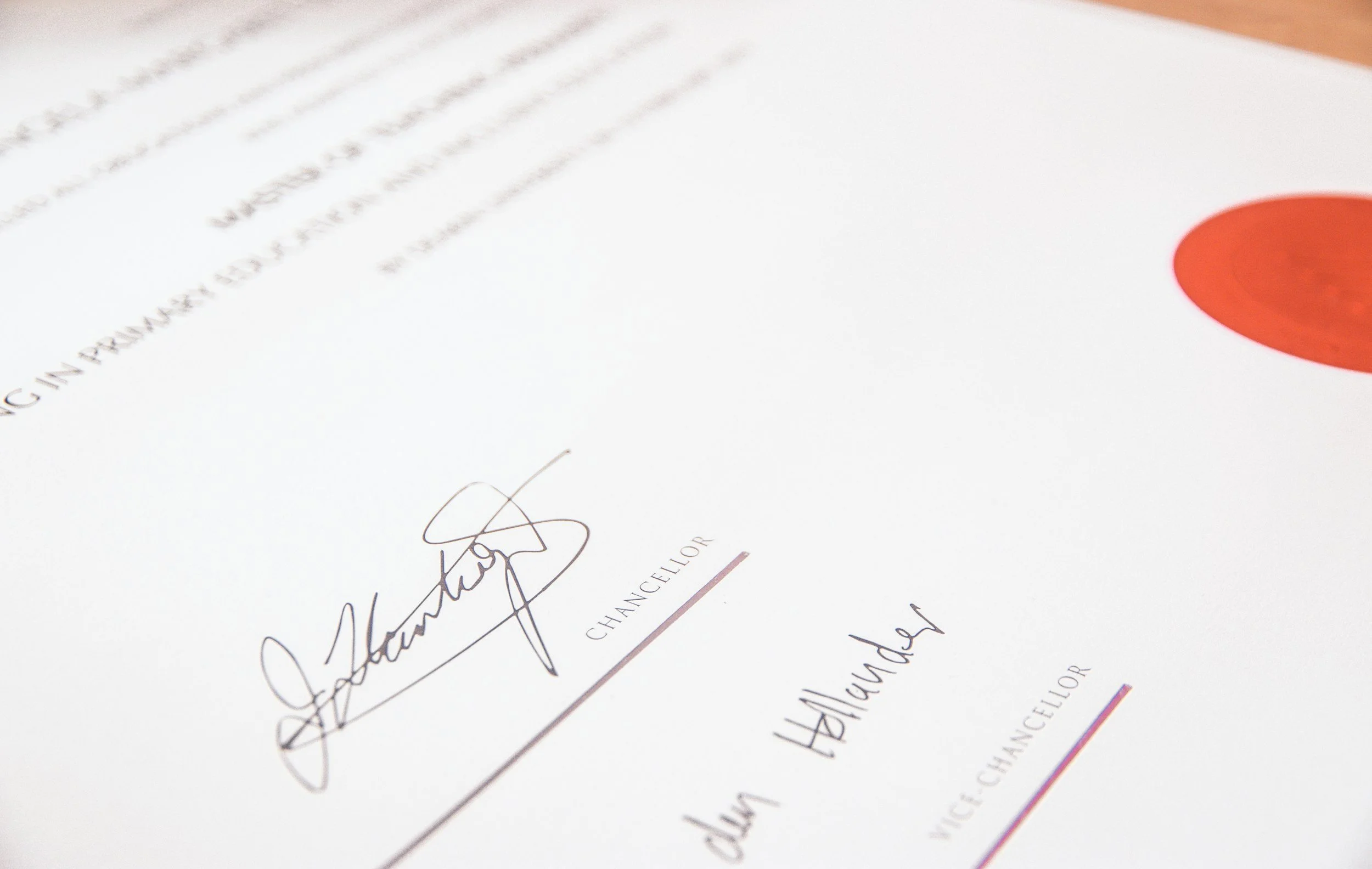
Photo by Lewis Keegan on Unsplash